
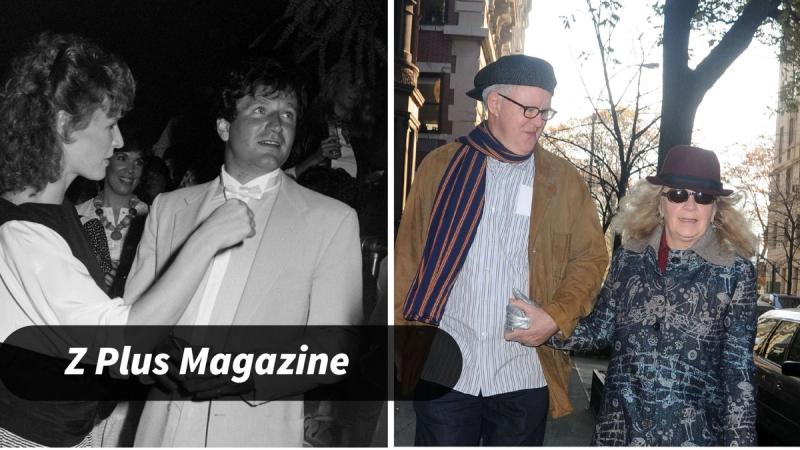
Jean Taynton is a teacher known publicly as John Lithgow’s first wife and the mother of actor and therapist Ian Lithgow. Her marriage to John began in 1966, during the early years of his acting career, and ended in 1980.
Her background also includes an interest in theater and reported work helping children with reading difficulties. Much of the published account of their early life together comes through descriptions of John’s recollections, making it important to distinguish his perspective from Jean’s own voice.
Who Is Jean Taynton?
Jean Taynton was part of John Lithgow’s life before the film and television roles that made him widely recognizable. Their marriage began while he was still preparing for a professional acting career. His official Masterworks Broadway biography identifies Jean as his wife before the end of college and names Ian as their son.
Teaching was her own occupation. Although most articles introduce her through her former husband, the available account describes employment in education both in Britain and after their return to the United States.
Her early personal history is less clearly documented. A dependable birth date has not been established in the research used here, so estimates placing her in a particular age group should not be treated as facts. The same caution applies to longer versions of her name that appear in online biographies.
Her Education and Interest in Theater
A 2023 AmoMama profile reports that Taynton attended Oberlin College and later worked as a teacher in Cambridge. It also describes her spending summers at Highfield Theater, where she took part in stage productions. These details are reported background rather than a complete education or employment record.
Her involvement in theater is relevant because it explains how her life intersected with John’s. She was participating in performances herself, giving them a shared activity before they became a married couple.
The combination of teaching and stage work also gives a broader picture of her background. However, the published material does not establish a college degree, a particular subject of study, or a long professional acting career. Those details should not be added simply because they seem consistent with the rest of her story.
How Jean Taynton Met John Lithgow
The supplied account places their meeting at Highfield Theater during a production of Patience. It identifies Jean’s role as Lady Jane and John’s as Bunthorne. Patience is a comic opera by Gilbert and Sullivan, rather than a work by W.S. Gilbert alone.
Their relationship reportedly developed while they were working on the production. This account is presented through John’s memories of their early years, so it offers his view of how their connection began.
The useful point is their shared participation in theater. Details about their appearance, supposed compatibility, or private conversations add little to an informative biography unless they serve a clear purpose. Their stage connection already explains the setting in which they met.
Their Marriage and Move to London
Taynton and Lithgow married in 1966. The marriage preceded his later recognition in Hollywood and his prominent television work. It belonged to a period when training, finding employment, and developing an acting career were still central concerns.
The supplied biography describes the couple moving to London while John pursued drama education. Jean sought teaching work there, bringing her own profession into their new household.
It also reports that they attended plays together during their time in London. That detail fits the central place theater held in their shared history, although it should be understood as part of the published recollection rather than a complete account of their daily lives.
Their move is important because it connects two strands of Jean’s biography: her marriage and her teaching. She was living with an aspiring actor while continuing work in a separate field.
Jean Taynton’s Teaching Career
The most specific published account of Taynton’s teaching describes work with children who had dyslexia. It places her at the World Blind Centre in London before the couple returned to the United States. Later, it describes her becoming a teaching specialist in Westchester County.
Dyslexia affects skills involved in reading and spelling. Mentioning this area of work helps explain the kind of educational support associated with her name, without making claims about particular students or classroom methods.
The order of these reported positions matters. Her London work came before the later American role. Combining the two into a vague statement that she worked at several institutions can obscure the sequence of the family’s moves.
There is not enough supporting information to describe her as a pioneer, name a teaching method she developed, or measure her results. Her reported work is meaningful without adding achievements that the evidence does not establish.
Supporting Their Family During John’s Early Career
The supplied account describes Jean’s teaching income as an important source of household support while John sought acting opportunities. This is one reason her name appears in discussions of his early career.
That contribution should be described in practical terms. Paid teaching work helped meet family expenses during a period when his professional plans were still developing. It does not require a larger claim that she alone made his later success possible.
Their circumstances also changed over time. The account describes moves between Britain and the United States, changes in employment, and adjustments around becoming parents. These events provide context for the demands of their early married life.
Much of this story is told through John’s experience of trying to establish himself as an actor. Jean’s work deserves recognition within it, but his career narrative cannot fully explain her professional ambitions, private priorities, or feelings about those years.
Her Son, Ian Lithgow
Jean and John’s son Ian was born in 1972. Their relationship to him is an established part of the family record, also acknowledged in later reporting about John’s children.
Ian has worked in acting as well as psychotherapy. On his professional website, he describes experience in television, film, and regional theater. His background therefore includes performance, although his professional life extends beyond entertainment.
The same website states that he earned his undergraduate degree at Harvard University and a master’s degree in clinical psychology at Antioch University Los Angeles. It identifies him as a licensed marriage and family therapist in New York.
These details provide useful context about Jean’s son without turning her biography into his. They also do not establish why he chose either profession. It would be an assumption to attribute his education or therapeutic work directly to his mother without his own account.
Their Divorce and John’s Later Account
Jean Taynton and John Lithgow’s marriage ended in divorce in 1980. Their shared years later became part of his memoir, Drama: An Actor’s Education, which was first published in 2011. The book is an autobiography, not a novel.
In that memoir, Lithgow discussed an affair with actress Liv Ullmann and its connection to the end of his first marriage. This should be presented as his published account, without inventing Jean’s response or reducing a long marriage to a single episode.
The memoir’s wider focus is his development as an actor and the people and experiences that shaped his early career. An official biography describes it as covering his life before he became nationally known, including his work in London and New York.
For readers interested in Jean, that perspective has a clear limit. His memories can describe events he experienced and choices he made, but they are not a substitute for her own account. Her life after the divorce, including any later relationship, residence, or employment, is not established by the sources discussed here.
Final Thoughts
Jean Taynton’s public biography centers on teaching, theater, and family. She shared John Lithgow’s early married years and is the mother of Ian Lithgow, whose career includes both acting and therapy.
Her reported educational work adds context beyond her former marriage. A clear account can recognize that work and her place in the family’s history while leaving unsupported details about her later life out of the story.
(FAQs)
Was Jean Taynton John Lithgow’s first wife?
Yes. They married in 1966, and their marriage ended in divorce in 1980.
Is Ian Lithgow only an actor?
No. His professional background also includes clinical psychology and work as a licensed marriage and family therapist.
Was Jean Taynton a professional actress?
The supplied biography describes theater participation, including a role in Patience. It does not establish an extensive professional acting career.
Did Jean Taynton remarry?
The sources used here do not establish whether she remarried. A lack of public reporting should not be taken as proof either way.
Where can readers find John’s account of their early years?
His memoir, Drama: An Actor’s Education, discusses his early life and first marriage. It was originally published in 2011.
__________________________________________________________________________________
Read Next: Eian Burton: Meet LeVar Burton’s Son and Discover His Connection to Teaching